
Austrian Natural Blends
Exploring botanical and mineral components in traditional Alpine wellness practices
Overview of Natural Complexes from Austria
Austria has a rich tradition of botanical knowledge spanning centuries. The Alpine regions produce a diverse range of plants and minerals that have been studied for their potential role in supporting natural wellness approaches.
This resource provides factual information about Austrian-inspired natural blends, their components, and the traditional context in which they are used. The information presented here is educational in nature and aims to increase understanding of these botanical traditions.
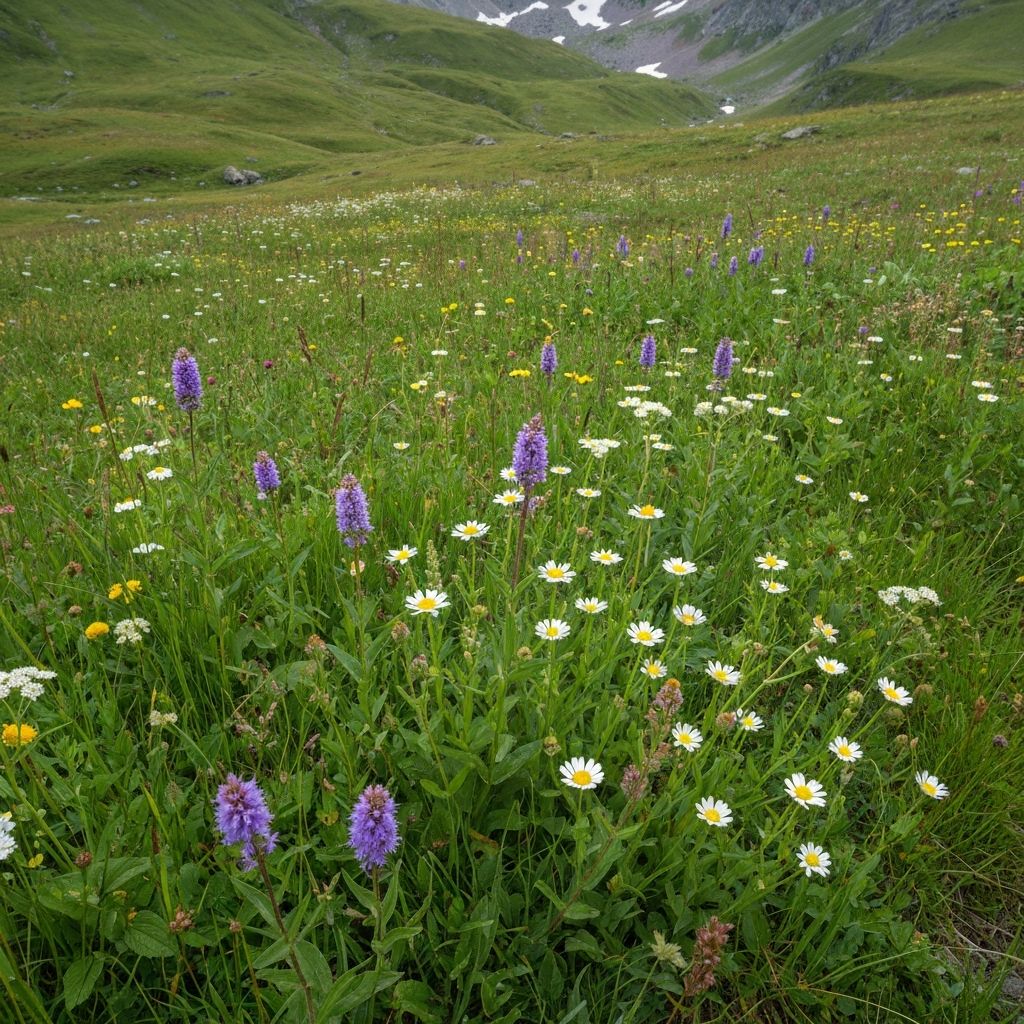
The Alpine environment creates unique conditions for plant growth, resulting in specific botanical profiles that differ from lowland varieties. These regional differences are significant to researchers and herbalists interested in ethnobotany and traditional knowledge systems.
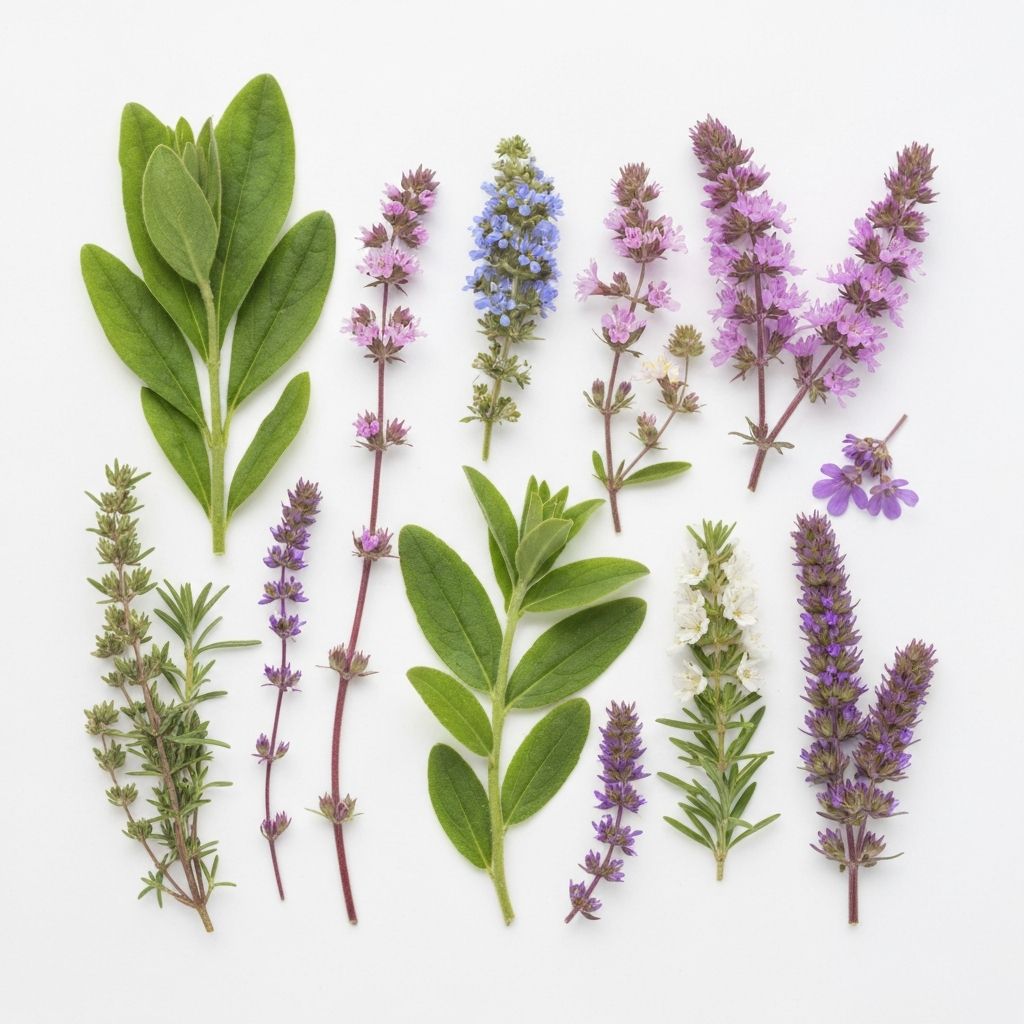
Role of Botanical and Mineral Components in Active Lifestyles
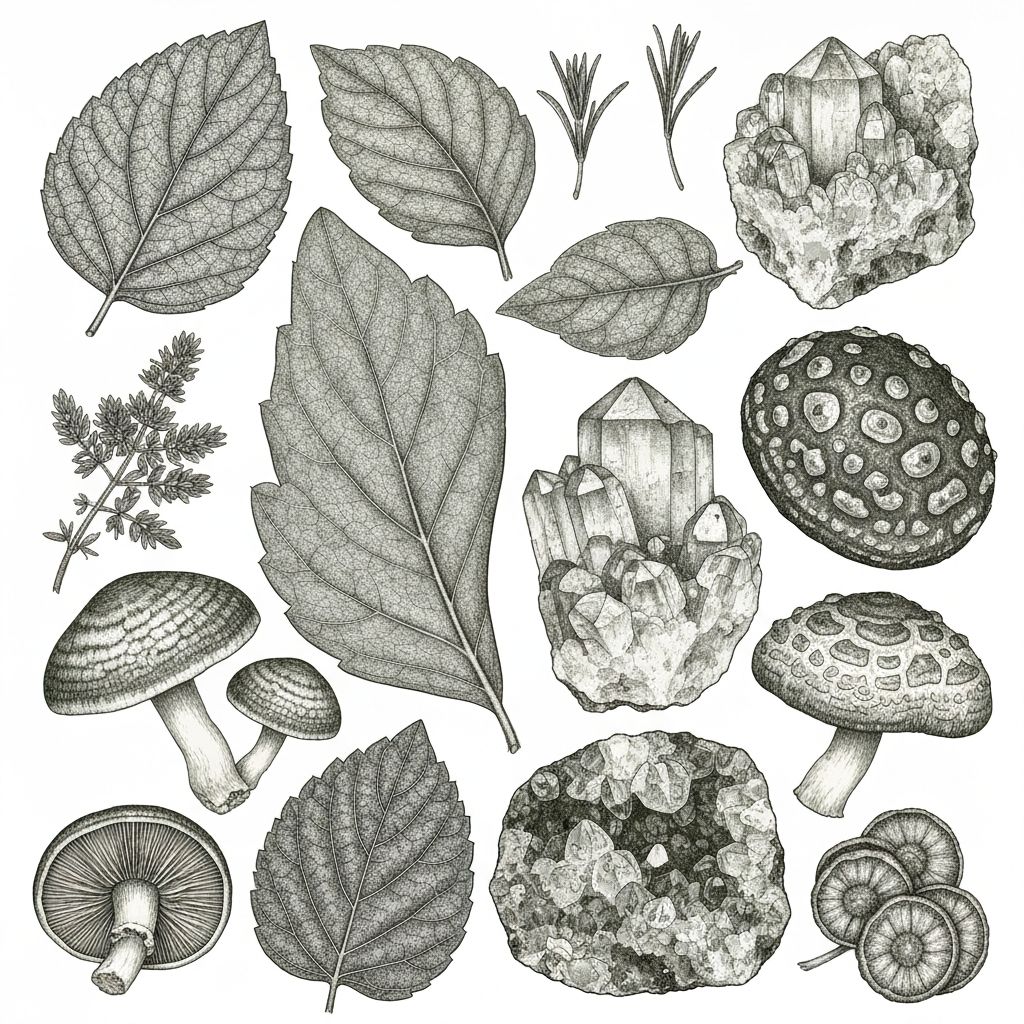
Natural compounds found in plants have been studied for their role in human nutrition and general wellness. Individuals who maintain active lifestyles often seek information about natural sources of essential nutrients and botanical support.
Various plant-based components contain compounds that scientists have identified as potentially supporting joint mobility, muscle function, and overall vitality when used as part of daily nutrition.
The minerals present in Alpine soil, when absorbed by plants, contribute to the unique mineral profile of regional botanicals. Understanding these mineral compositions is relevant for those interested in nutritional science and botanical research.
Mineral Components in Active Nutrition
Minerals play a fundamental role in human physiological function. Magnesium, zinc, selenium, and other trace elements are essential for muscle function, bone health, and energy production.
Individuals engaged in regular physical activity have specific nutritional requirements that differ from sedentary populations. The demand for certain minerals increases with physical activity, making supplementation or dietary enhancement relevant.
Natural mineral sources from Alpine regions provide bioavailable forms of these essential elements. Understanding the mineral content of traditional plants is important for those researching nutritional support for active individuals.
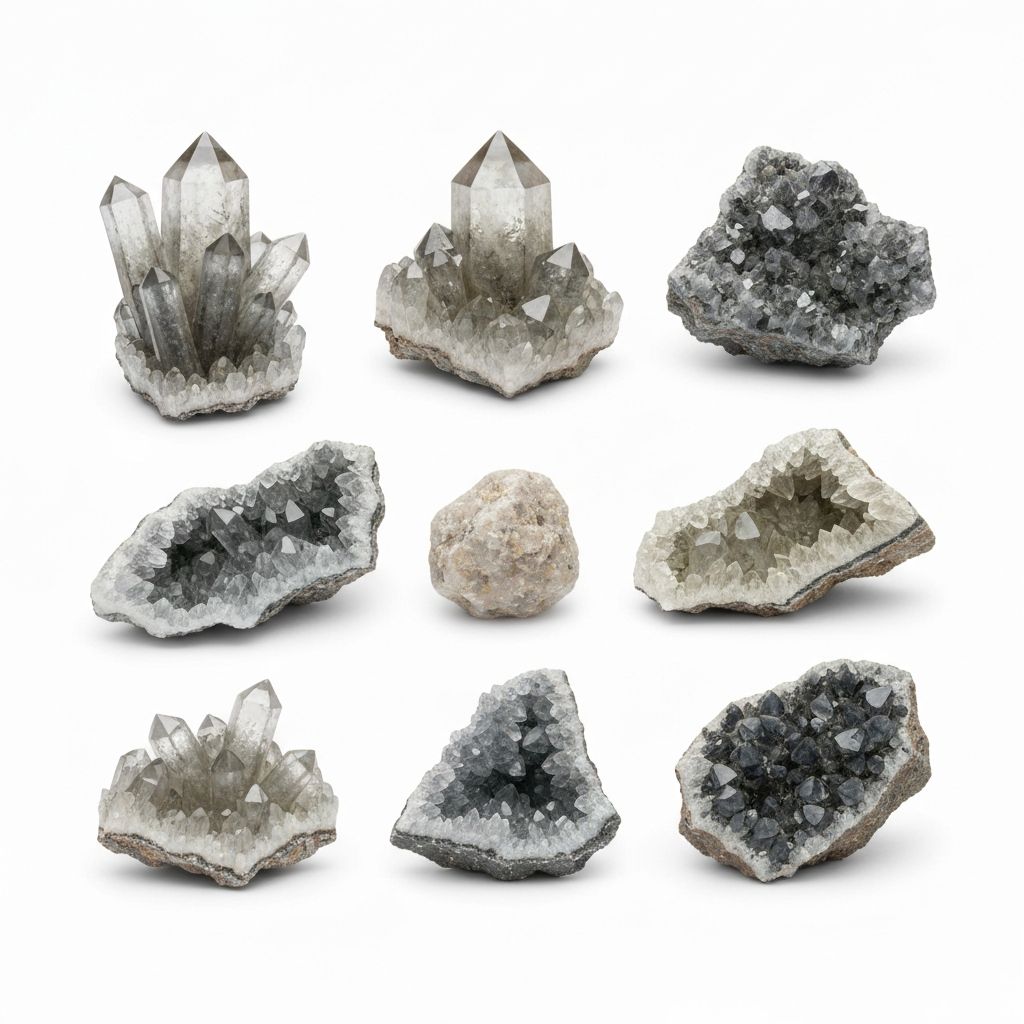
Traditional Uses of Austrian Plants
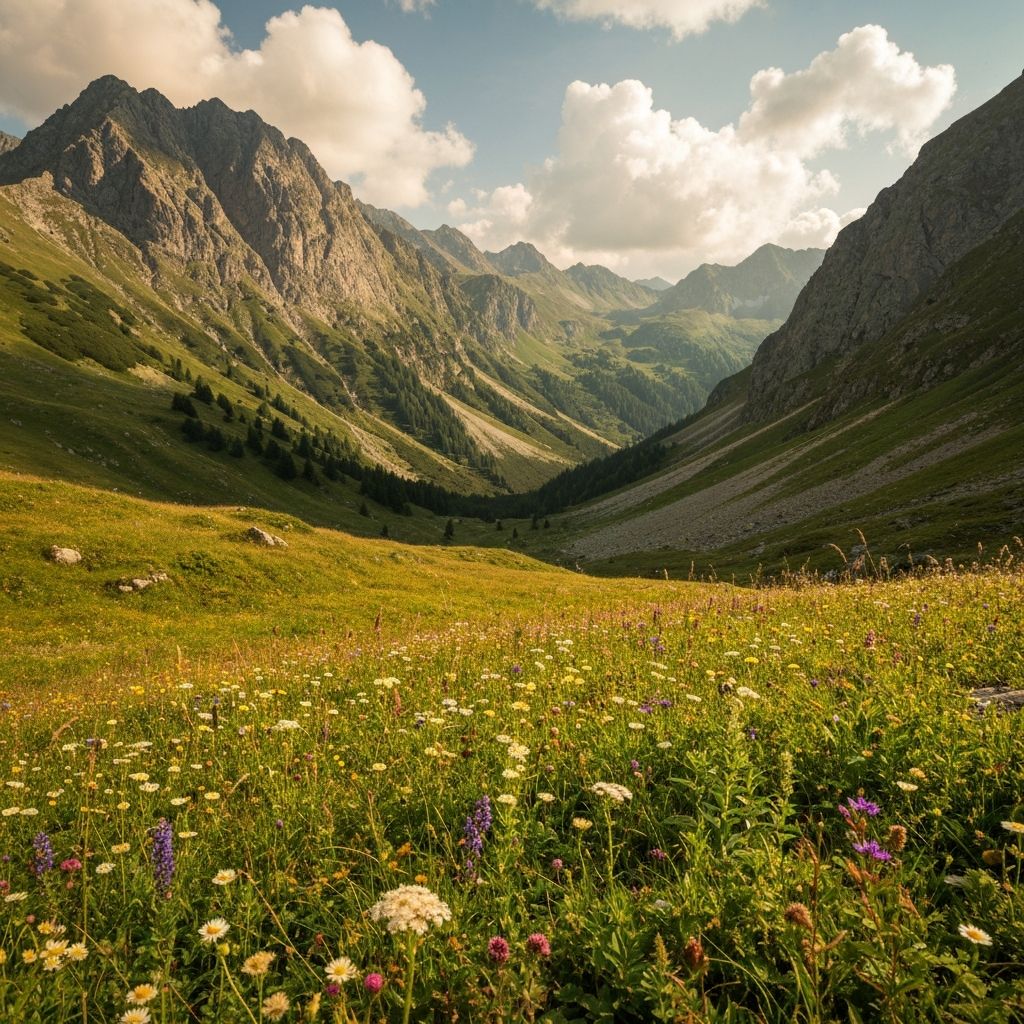
The use of Alpine plants in traditional Austrian wellness practices dates back centuries. Local communities developed specific knowledge about which plants offered particular benefits and how they were traditionally prepared and used.
This knowledge was passed down through generations and is documented in historical records and ethnobotanical studies. The tradition of using natural plant-based preparations remains part of Austrian cultural heritage.
Modern research increasingly validates the traditional uses of these plants, discovering the biochemical basis for their historical applications. This convergence of traditional knowledge and scientific evidence creates an important bridge between cultural practices and contemporary nutritional science.
Dynamic Lifestyle and Nutritional Requirements
An active lifestyle creates specific nutritional demands on the human body. Regular physical activity increases the requirement for certain vitamins, minerals, and phytonutrients necessary for recovery and optimal function.
Those who engage in regular exercise, sports, or physically demanding work often research additional nutritional support beyond basic diet. Natural botanical sources offer concentrated forms of beneficial compounds.
Understanding how lifestyle factors influence nutritional needs is essential for making informed decisions about dietary supplements and natural preparations. The connection between activity level and nutrient requirements is well-established in nutritional science.

Scientific Data on Natural Compounds
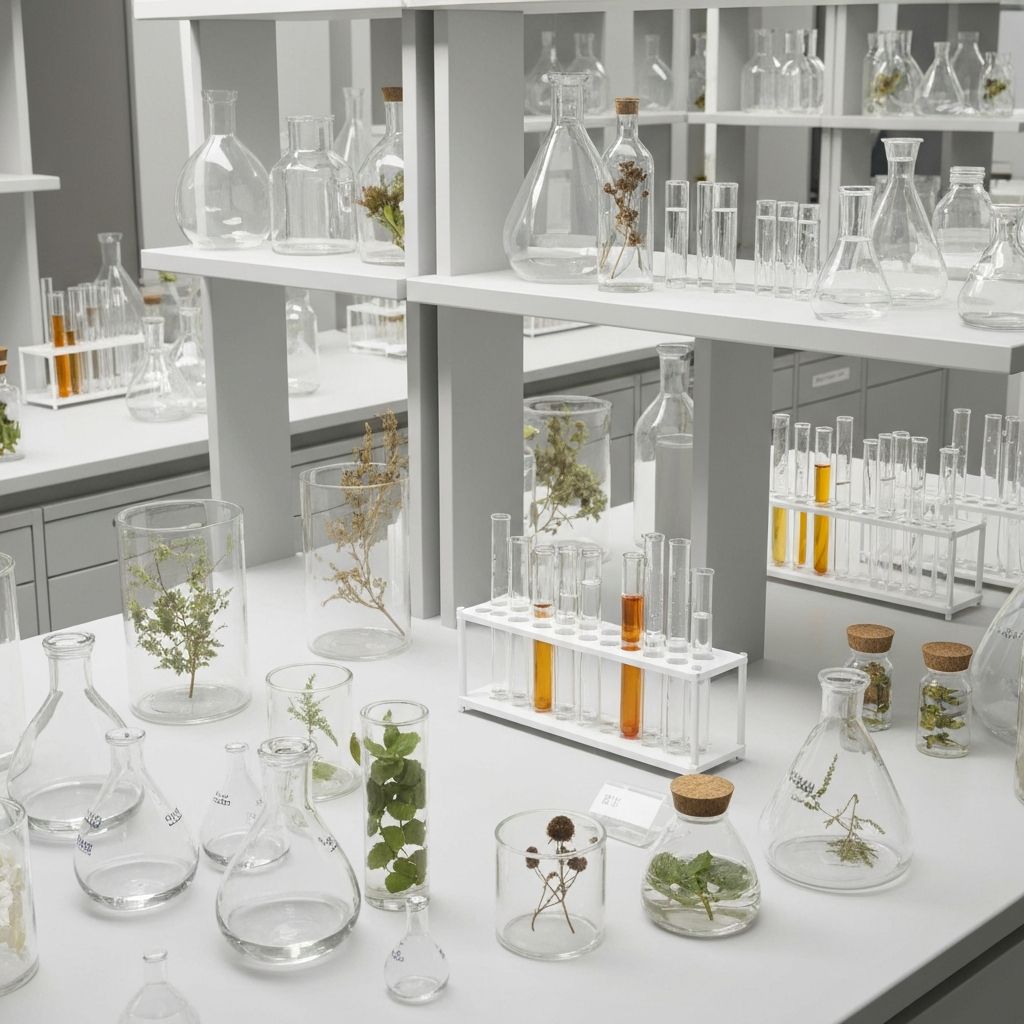
Scientific research on botanical compounds has expanded significantly over the past decades. Peer-reviewed studies document the phytochemical composition of traditional plants and their potential biological activities.
Natural compounds such as polyphenols, flavonoids, and alkaloids have been identified in Alpine plants. These molecules exhibit various properties that scientists continue to study for their potential applications in human health.
The research on natural compounds is ongoing and multidisciplinary, involving botany, chemistry, pharmacology, and nutritional science. This educational resource provides information based on current scientific understanding while maintaining objectivity about ongoing research.
Examples of Alpine Plant Ingredients
The Alpine regions of Austria produce numerous plant species with documented traditional and contemporary uses. These include plants in the mint family, compositae family, and various other botanical groups.
Common Alpine ingredients studied in research include: nettle root (known for joint support), horsetail (mineral content), ginger derivatives, turmeric species, and various root preparations. Each has a specific biochemical profile.
The combination of ingredients in natural blends is often based on traditional formulations that have been used for generations. Modern blends frequently reproduce these classical combinations while meeting contemporary quality and purity standards.
All information on this site is presented for educational purposes only. This is not medical advice, and we do not make claims about diagnosing, treating, curing, or preventing any disease. We do not provide medical services, and nothing here should be considered a substitute for professional medical consultation. Individual results vary, and this information is not intended to influence personal health decisions. For medical concerns, please consult a qualified healthcare provider.